 Skip to content

|
Key Takeaway:
Completing a spring HVAC maintenance checklist before temperatures rise helps ensure efficient cooling, lower energy costs, and reliable summer performance. Early AC preparation and consistent seasonal HVAC care reduce breakdown risk, protect system components, and support long-term equipment lifespan. |
Using a structured spring HVAC maintenance checklist helps your system transition from heating to cooling without performance issues. Winter wear, debris buildup, and airflow restrictions often go unnoticed until cooling demand increases. Addressing them early improves efficiency and reduces the chance of unexpected breakdowns during peak heat.
Effective AC preparation focuses on airflow, system cleanliness, and basic operational checks. These seasonal care steps help prevent common HVAC problems that develop when small maintenance items are ignored. Completing this checklist before summer ensures your system runs consistently and does not operate under unnecessary strain.
The sections below outline practical, homeowner-friendly steps. Each explains what to check, why it matters, and when professional service may be appropriate.
Inspect and Replace Air Filters
Replacing air filters is one of the most important steps in any spring HVAC maintenance checklist. A clogged filter restricts airflow, forcing the system to work harder and reducing cooling efficiency.
Most homes require filter replacement every one to three months, depending on pets, dust levels, and overall system usage. Homes with higher dust or pet hair typically need more frequent changes to maintain consistent airflow and cooling performance. Understanding proper air filter replacement intervals helps prevent unnecessary strain on the system and supports steady indoor comfort.
When filters remain clogged, airflow becomes restricted, which can lead to frozen evaporator coils, uneven temperatures, and increased wear on components. These airflow problems are often preventable with routine AC preparation.
Clean Air Vents and Inspect Ductwork
Dust buildup on supply and return vents reduces airflow and affects system balance. Vacuum visible debris and ensure vents are not blocked by furniture or rugs. This improves air distribution and supports seasonal HVAC care.
For deeper cleaning, professional HVAC duct cleaning may help remove accumulated dust and improve circulation. Clean ductwork allows conditioned air to move more efficiently through the home.
While inspecting ducts, look for loose connections or visible gaps. Even small leaks can reduce cooling performance and increase operating costs. Use this guide on how to check your ductwork for leaks to identify potential airflow loss. Addressing leaks early supports stronger system efficiency during summer demand.
Essential Facts About a Spring HVAC Maintenance Checklist
A properly completed spring HVAC maintenance checklist helps ensure reliable cooling, lower energy use, and fewer mid-season breakdowns. Addressing these items early supports effective AC preparation and consistent seasonal HVAC care.
- Airflow determines efficiency. Replacing clogged filters and clearing vents prevents unnecessary strain and supports steady cooling performance.
- Duct leaks waste cooled air. Inspect accessible ductwork for loose connections or gaps. Professional duct cleaning may help restore airflow if buildup is significant.
- Low refrigerant reduces cooling power. Weak airflow or ice on coils may indicate issues that require professional evaluation.
- Drain lines prevent moisture damage. A clogged condensate line can lead to leaks and humidity problems during heavy summer use.
- Thermostat accuracy affects comfort. Testing cooling mode early ensures the system cycles properly before temperatures rise.
- Professional tune-ups catch small problems early. Routine service helps prevent common HVAC problems that appear during peak cooling demand.
Check Refrigerant Levels and Clean Coils
Refrigerant and coil condition are critical parts of any spring HVAC maintenance checklist. Low refrigerant reduces cooling power and can cause longer run times, weak airflow, or ice buildup on coils. If cooling feels inconsistent, it may be related to improper refrigerant pressure, which is commonly associated with AC refrigerant level issues.
Evaporator and condenser coils must remain clean to transfer heat effectively. Dust and debris buildup reduce efficiency and force the unit to work harder during AC preparation. Gently rinse accessible outdoor coils (with power off) and remove visible debris. Internal coil cleaning and refrigerant testing should be handled during professional seasonal HVAC care.
Ignoring these components can lead to frozen coils or compressor strain. Addressing airflow and refrigerant concerns early helps ensure reliable cooling during peak summer demand.
Inspect the Condensate Drain Line and Outdoor Unit
The condensate drain line removes moisture created during cooling. If clogged, water can back up into the system and cause leaks or humidity problems. Drainage blockages are often linked to clogged condensate line buildup, which can typically be prevented with seasonal flushing.
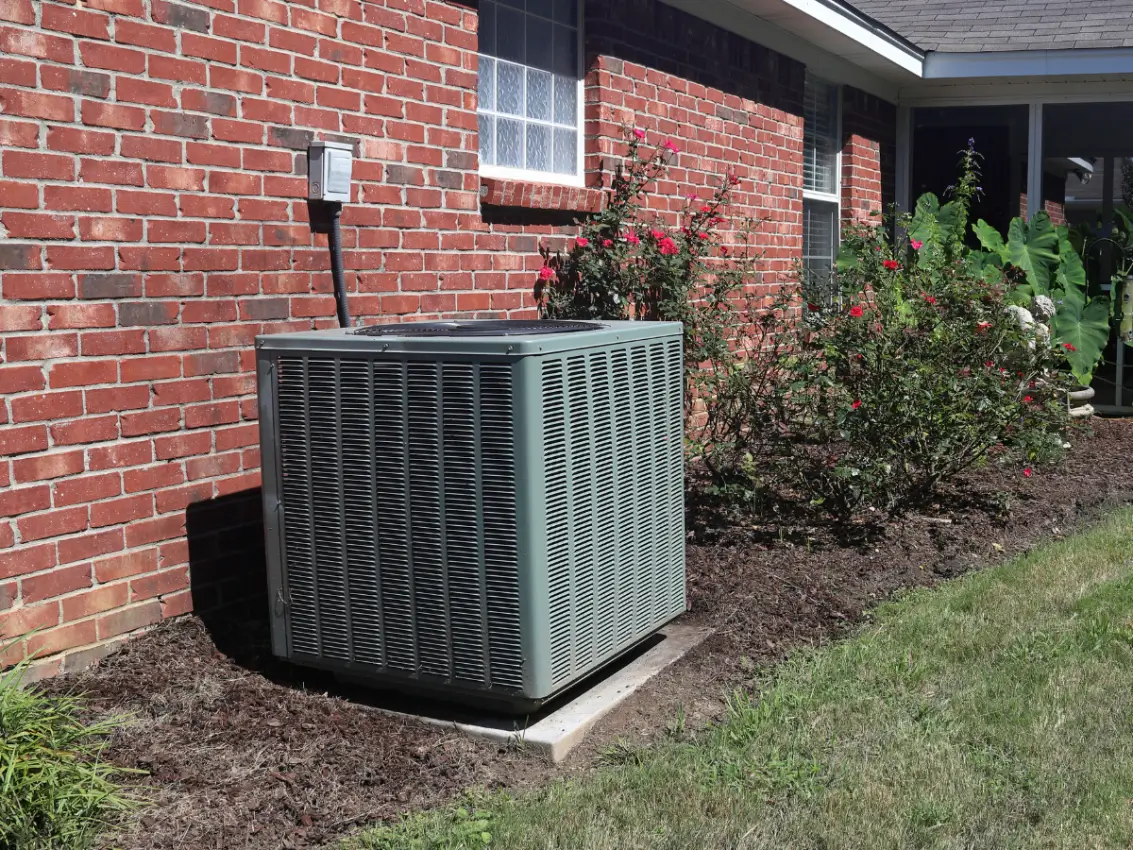
Inspect the outdoor condenser and remove leaves, grass clippings, and debris from around the unit, maintaining at least two feet of clearance. Proper airflow improves cooling performance and reduces system strain during AC preparation.
If you notice standing water, corrosion, or unusual moisture, further inspection may be necessary. Early drainage maintenance helps prevent avoidable service calls during heavy summer use.
Test Thermostat Operation and Electrical Components
Testing thermostat performance is an essential step in seasonal HVAC care. Switch to cooling mode and verify that the system starts promptly and delivers cool air. Confirm that the displayed temperature matches actual room conditions.
Unusual buzzing, delayed starts, or inconsistent cycling may indicate electrical wear. Electrical failures are among the more common HVAC problems that appear during peak cooling season.
Confirm that your system cycles normally and reaches the set temperature without extended run times. Early testing ensures efficient operation before peak summer demand.
Schedule Professional Spring Service
A thorough spring HVAC maintenance checklist should include professional inspection. Technicians test refrigerant pressure, inspect electrical components, clean internal parts, and confirm safe system operation.
Professional seasonal HVAC care helps identify small issues before they become mid-season failures. Early scheduling also reduces the risk of peak-season service delays.
Preventive service improves efficiency, protects system components, and supports reliable cooling throughout the summer.
Spring HVAC Maintenance Frequently Asked Questions
How early should I start my spring HVAC maintenance checklist?
How often should I replace air filters in spring?
What are signs my AC needs professional service?
What thermostat setting should I use when testing my AC?
Is professional spring service really necessary?
The Season of Smart Preparation
Spring is the ideal time to complete your spring HVAC maintenance checklist before summer heat arrives. Early AC preparation helps prevent breakdowns, improve efficiency, and reduce energy costs during peak cooling months.
Start with the basics: replace air filters, clear debris from vents, and inspect ductwork for visible leaks. Strong airflow supports better cooling performance and reduces system strain. Cleaning around the outdoor condenser and ensuring proper clearance further improves efficiency and protects key components.
Check refrigerant performance, coil condition, and drainage. Ice buildup, weak airflow, or standing water can indicate issues that should be addressed before heavy use. Testing thermostat accuracy and confirming normal system cycling ensures reliable seasonal HVAC care.
While many steps can be handled by homeowners, professional service provides a deeper inspection. A trained technician can test electrical components, measure refrigerant pressure, and identify early wear that may not be visible. Preventive service helps avoid costly mid-season failures and extends overall system life.
Prepare Now for a Reliable Summer
Completing your spring HVAC maintenance checklist now protects your comfort and your investment. Small steps taken early help prevent larger repair costs later and keep your cooling system running efficiently when temperatures rise.
If you want added confidence before summer arrives, schedule your spring HVAC service with our team. We’ll inspect your system, address potential concerns, and help ensure your home stays cool and dependable all season long.