
|
Key Takeaway:
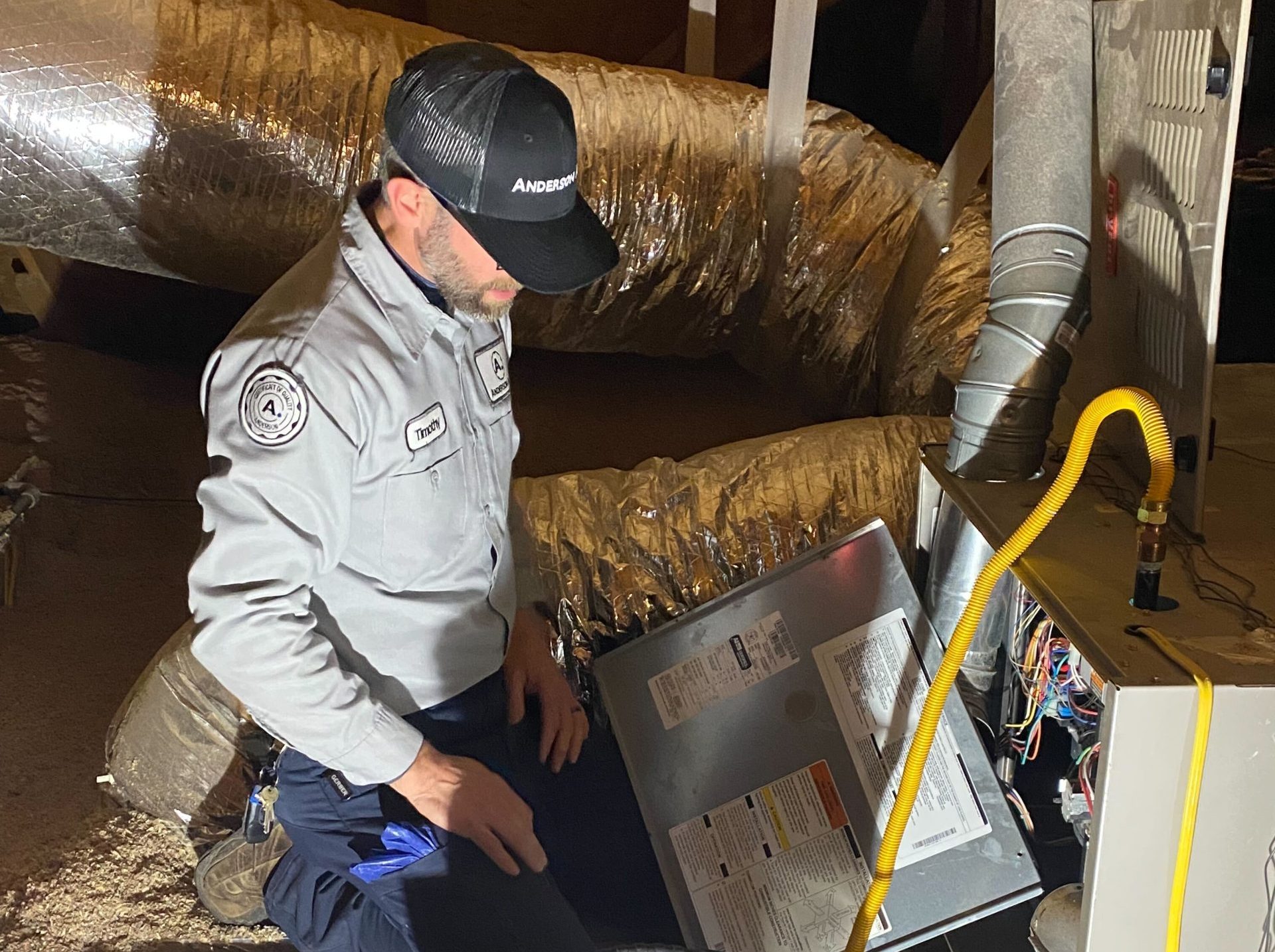
A winter HVAC maintenance checklist helps homeowners reduce the risk of heating failures and manage energy use during colder months. Routine tasks such as HVAC filter replacement and ductwork inspection support consistent airflow, system efficiency, and long-term equipment reliability when winter demand is highest. |
A winter HVAC maintenance checklist helps ensure your heating system is prepared before cold weather increases daily demand. When systems are neglected, small issues can escalate into breakdowns during peak winter use, leading to discomfort and unplanned repairs.
Proactive maintenance supports steady performance, improved efficiency, and fewer interruptions throughout the heating season. Addressing wear, airflow, and control issues early can help extend system lifespan and reduce operating strain.
From HVAC filter replacement to ductwork inspection, each checklist item focuses on maintaining reliable airflow and consistent heat delivery. Completing these steps before winter helps create a more predictable and comfortable indoor environment.
Replace and Inspect Air Filters
HVAC filter replacement is one of the most important steps in any winter HVAC maintenance checklist. Dirty or clogged filters restrict airflow, forcing the system to work harder and increasing energy use during heating cycles.
Most filters should be replaced every one to three months, depending on system runtime, filter type, and household conditions. Signs that replacement is needed include visible buildup, increased dust, or uneven heating throughout the home.
Selecting the correct filter also matters. Filters with higher MERV ratings capture more airborne particles but may not be appropriate for every system. Proper filter selection supports airflow while maintaining effective filtration.
Test the Thermostat
Thermostat performance directly affects heating consistency and energy efficiency. Before winter, confirm the thermostat accurately reads indoor temperature and communicates correctly with the heating system.
A thermostat that is miscalibrated or slow to respond can cause uneven heating or unnecessary system cycling. Simple testing—such as adjusting the set temperature and confirming system response—can reveal early issues.
For homeowners considering an upgrade, programmable or smart thermostats can help manage heating schedules more efficiently. Improved control supports comfort while reducing unnecessary energy use during colder months.
|
Essential Facts About Winter HVAC Maintenance
A winter HVAC maintenance checklist helps homeowners prepare their heating systems for colder weather by reducing the risk of breakdowns, improving efficiency, and supporting consistent indoor comfort. The following facts highlight common maintenance priorities during winter months.
|
Inspect and Seal Ductwork
Inspecting ductwork is an important part of any winter HVAC maintenance checklist. Leaks, gaps, or blockages in duct systems can cause uneven heating, cold spots, and higher energy use. A thorough ductwork inspection helps identify areas where heated air may be escaping before it reaches living spaces.
Leaky ducts can also affect indoor air quality by pulling dust and debris into the system. Common warning signs include rooms that are difficult to heat, rising utility bills, or visible dust around vents. Sealing identified leaks with approved materials can improve airflow and efficiency. Periodic HVAC duct cleaning may also help reduce buildup that restricts airflow and impacts comfort.
Clean Furnace Components
Keeping furnace components clean supports efficient operation and reduces safety concerns during winter use. Parts such as coils and the flame sensor can collect dust over time, which may interfere with proper heating performance. Following a structured furnace coil cleaning process helps homeowners understand what areas require attention.
Before any cleaning, power to the system should be turned off. Gently removing buildup from coils and the flame sensor can improve system efficiency and help extend equipment lifespan. Regular attention to these areas also plays a role in reducing risks associated with debris buildup inside the furnace.
Check for Carbon Monoxide and Heating Safety
Heating safety is a critical part of winter HVAC preparation. Testing carbon monoxide detectors should be included in every winter HVAC maintenance checklist, as carbon monoxide is a colorless, odorless gas that can result from heating system malfunctions.
Cracked heat exchangers are one possible source of carbon monoxide leaks. Warning signs may include soot buildup, changes in burner flame color, or unusual odors when the system is running. Being familiar with common heat exchanger warning signs helps homeowners recognize when professional inspection is needed.
Address Strange Noises and Short Cycling
Unusual sounds coming from an HVAC system often signal developing issues. Whistling, rattling, or screeching noises may point to airflow problems or worn components. Understanding what common HVAC system noises indicate can help homeowners respond before damage worsens.
Short cycling—when a furnace turns on and off repeatedly—can also reduce efficiency and increase wear. This behavior is frequently related to thermostat issues or restricted airflow. Early attention to sound changes and cycling patterns supports steadier performance, and awareness of short cycling causes can help limit long-term system strain.
Winter HVAC Maintenance Checklist FAQs
How often should I schedule HVAC maintenance in winter?
What’s the ideal thermostat setting during cold weather?
Should I cover my AC unit during winter?
Why does my furnace keep turning on and off quickly?
What are signs my furnace might need replacing soon?
Can I detect a duct leak on my own?
Why is my basement still cold even with central heating?
Keep Your Home Cozy and Efficient
Cold weather puts added demand on your heating system, making a winter HVAC maintenance checklist especially important. By addressing key items early, homeowners can support consistent comfort while keeping energy costs in check. Tasks like HVAC filter replacement and ductwork inspection play a direct role in system efficiency and indoor air quality.
Regular maintenance helps reduce wear on critical components and lowers the likelihood of unexpected breakdowns. Simple steps taken before winter sets in can help extend system lifespan and maintain reliable performance throughout the season.
For homeowners looking for a more structured approach, ongoing maintenance plans provide scheduled inspections and priority service. Having a professional regularly review system condition helps ensure small issues are addressed before they become larger concerns during colder months.
Embrace Winter with Confidence
Following a winter HVAC maintenance checklist helps prepare your home for sustained cold weather. Whether tasks are handled independently or with professional support, early action improves system reliability and comfort.
Heating systems work hardest in winter, and consistent care helps them perform as intended. Staying proactive allows homeowners to focus less on system concerns and more on staying comfortable indoors.
Schedule HVAC service with Anderson Air to review your system and address maintenance needs before winter demand increases.
Further Reading |