 Skip to content

|
Key Takeaway:
Smart HVAC systems, geothermal heat pumps, and energy-efficient HVAC technologies are reshaping how homes manage comfort and energy use. By combining automation, renewable energy, and intelligent controls, homeowners can achieve more consistent comfort while reducing energy costs and overall consumption. |
Smart HVAC systems are changing how homes manage comfort and energy use. These systems use sensors, automation, and data-driven controls to improve efficiency without sacrificing performance. As technology evolves, homeowners are seeing that comfort and energy savings can work together.
Today’s solutions go beyond basic heating and cooling. Smart HVAC systems, geothermal heat pumps, and energy-efficient HVAC technologies create more responsive, lower-impact environments. These systems help reduce monthly energy costs while supporting long-term efficiency goals. By combining intelligent automation with sustainable energy sources, homes become easier to manage and more efficient to operate.
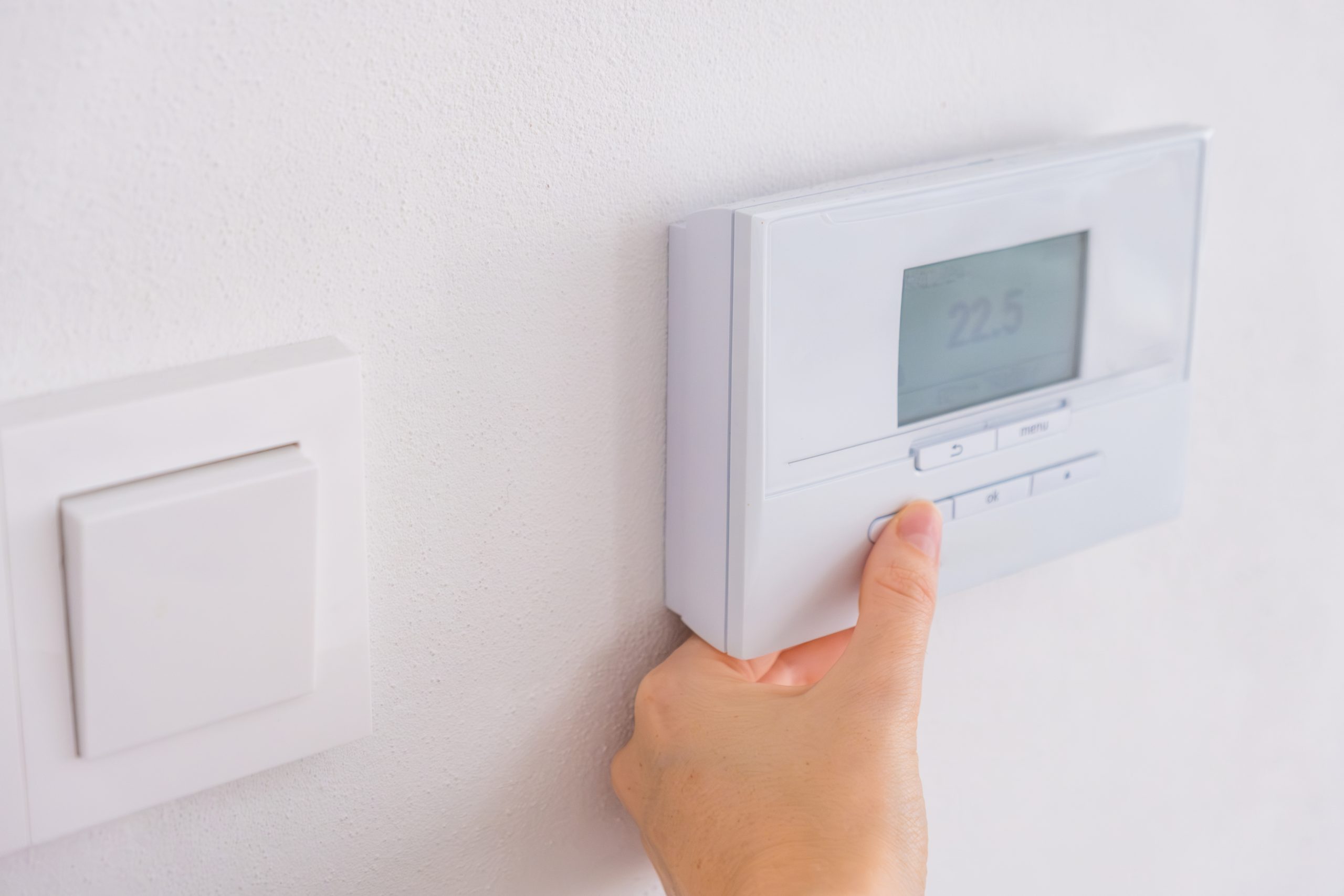
Modern comfort also depends on control and connectivity. Features like smart thermostats allow homeowners to adjust temperatures remotely, automate schedules, and improve efficiency without constant manual changes. Understanding how smart technology enhances control and efficiency helps highlight the value of these systems. The goal is no longer just heating and cooling—it’s creating a more balanced, efficient indoor environment.
Smart HVAC Systems: The Intelligent Future of Climate Control
Smart HVAC systems use sensors, automation, and connected controls to manage indoor comfort with precision. These systems monitor temperature, humidity, and air quality in real time, adjusting automatically to maintain consistent conditions. Integration with mobile apps and smart thermostats gives homeowners full control from anywhere while reducing unnecessary energy use.
One of the most practical advantages is adaptive learning. Over time, systems adjust to daily routines—reducing output when the home is empty and restoring comfort before occupants return. This approach improves efficiency without sacrificing performance. Many homeowners find that smart thermostats play a key role in achieving these savings by delivering more accurate, automated control.
Smart HVAC systems also improve comfort in multi-level homes. Zoning and automated adjustments help reduce temperature imbalances between floors, creating more consistent conditions throughout the home. Applying the best thermostat settings can further improve performance. These systems support long-term efficiency by optimizing output and reducing waste.
Geothermal Heat Pumps: Harnessing the Earth’s Energy
Geothermal heat pumps use the stable temperature below the earth’s surface to heat and cool homes efficiently. Unlike traditional systems that rely on outdoor air, geothermal systems transfer energy from the ground, where temperatures remain consistent year-round. This allows for reliable performance with reduced energy use.
These systems circulate fluid through underground loops to move heat between the home and the earth. In colder months, heat is drawn from the ground; in warmer months, excess heat is returned. This process reduces reliance on fossil fuels and supports lower overall energy consumption. When comparing heat pumps and oil furnaces, geothermal systems often deliver more consistent efficiency over time.
Maintenance requirements are generally lower than traditional systems, though routine care still matters. Understanding how to defrost a heat pump helps maintain performance during colder conditions. Over time, geothermal heat pumps support stable indoor comfort, reduced operating costs, and improved long-term efficiency.
Key Facts: Smart HVAC Systems
|
Energy-Efficient HVAC Technologies That Are Changing the Game
Modern energy-efficient HVAC technologies are improving how homes maintain comfort while reducing energy use. Beyond smart HVAC systems and geothermal heat pumps, innovations like variable-speed compressors and inverter-driven motors allow systems to adjust output based on real-time demand. This reduces wasted energy and helps maintain consistent indoor conditions.
Smart zoning systems also improve efficiency by directing heating and cooling only where it’s needed. Combined with adaptive thermostats, this approach reduces energy waste while improving comfort. Features like UV filtration systems support cleaner airflow and better indoor air quality.
Performance ratings still matter when comparing systems. Understanding SEER ratings helps homeowners choose equipment that delivers stronger efficiency with lower energy use.
Connectivity, Data, and Automation: The Role of AI in HVAC
Artificial intelligence is expanding what smart HVAC systems can do. By using connected sensors and performance data, systems can adjust automatically based on real-time conditions, improving both efficiency and consistency.
Key benefits of AI-driven HVAC systems include:
- Automatic adjustments based on usage patterns and environmental conditions
- Early detection of issues tied to common HVAC problems
- Reduced downtime through predictive maintenance alerts
- Ongoing system optimization without manual input
Predictive diagnostics help shift maintenance from reactive to proactive. Instead of waiting for a breakdown, systems flag potential issues early, helping reduce repair costs and extend system lifespan.
AI also supports better long-term system performance. When paired with HVAC maintenance contracts, this data helps guide ongoing service and system care.
Retrofitting Older Systems for a Smarter Future
Upgrading to smart HVAC systems and energy-efficient HVAC technology does not always require a full system replacement. Retrofitting allows homeowners to improve performance by adding modern components to existing systems.
Common retrofit upgrades include smart thermostats, variable-speed motors, and improved filtration. These updates help reduce energy waste while improving comfort and system control. Many benefits come from combining new technology with existing infrastructure.
System performance also depends on proper airflow. Checking for leaks and inefficiencies is an important step in any upgrade. Understanding ductwork condition helps ensure that improvements are not undermined by air loss.
Retrofitting provides a practical path to improved efficiency without the cost of full replacement. It helps extend system lifespan while improving overall performance.
Sustainable Comfort: Merging Smart and Green Technologies
The future of home comfort combines smart HVAC systems, geothermal heat pumps, and energy-efficient HVAC technologies into a more balanced approach. These systems work together to align performance with real-time demand while reducing overall energy use.
Geothermal systems provide a stable energy source, while smart controls adjust output automatically based on conditions. This combination improves efficiency while reducing reliance on traditional energy sources.
Modern systems also improve indoor comfort beyond temperature. Managing humidity plays a key role in maintaining balanced conditions. Understanding how air conditioners manage humidity helps homeowners better control indoor environments.
As these technologies continue to evolve, homes become easier to manage, more efficient to operate, and better aligned with long-term energy goals.
FAQs About Smart HVAC Systems
What are the main benefits of smart HVAC systems?
Are geothermal heat pumps worth the investment?
Can older HVAC systems be upgraded to improve efficiency?
How do energy-efficient HVAC systems lower monthly costs?
How do smart HVAC systems support sustainability?
Building the Future of Home Comfort
Smart HVAC systems, geothermal heat pumps, and energy-efficient HVAC technologies are changing how homes manage comfort and energy use. These systems improve performance by adapting to real-time conditions, reducing energy waste, and maintaining more consistent indoor environments.
Smart controls give homeowners more visibility and control over their systems. Automated adjustments reduce unnecessary heating and cooling, while connected devices help maintain comfort without constant manual input. Geothermal systems take this further by using stable underground temperatures to deliver efficient, reliable performance year-round.
Upgrading from older systems can reduce energy use, lower operating costs, and improve long-term reliability. As energy demands increase, efficient systems are becoming a practical way to maintain comfort while managing costs.
The Smart Future Is Here
The shift toward smarter, more efficient systems is already underway. Smart HVAC systems, geothermal heat pumps, and modern energy-efficient HVAC designs help reduce energy use while improving overall system performance.
Even small upgrades—like improving controls or airflow—can make a noticeable difference. Planning ahead using insights like air conditioning lifespan helps homeowners make better long-term decisions.
Homes that adopt these technologies are easier to manage, more efficient to operate, and better prepared for future energy demands.
If you’re considering upgrading to smart HVAC systems or improving your current setup, contact our team to discuss options that fit your home and long-term goals.