 Skip to content

|
Key Takeaway:
Smart thermostat installation improves comfort and energy efficiency while working with many HVAC systems. Before installing a Nest thermostat, confirm compatibility, wiring requirements, and system type to ensure reliable performance. |
The Nest thermostat is changing how homeowners manage comfort and energy use. With automated scheduling, remote access, and adaptive controls, it allows more precise temperature management while reducing wasted energy. These systems learn your habits and adjust automatically, helping maintain comfort without constant manual changes.
Smart thermostat installation adds both convenience and efficiency. Features like mobile control and energy tracking make it easier to manage your system day to day. Over time, these adjustments can lower energy costs while improving overall system performance.
Understanding HVAC smart controls is the first step in choosing the right system. With the right setup, homeowners can improve comfort, reduce energy use, and create a more responsive indoor environment.
Exploring Smart Thermostat Options
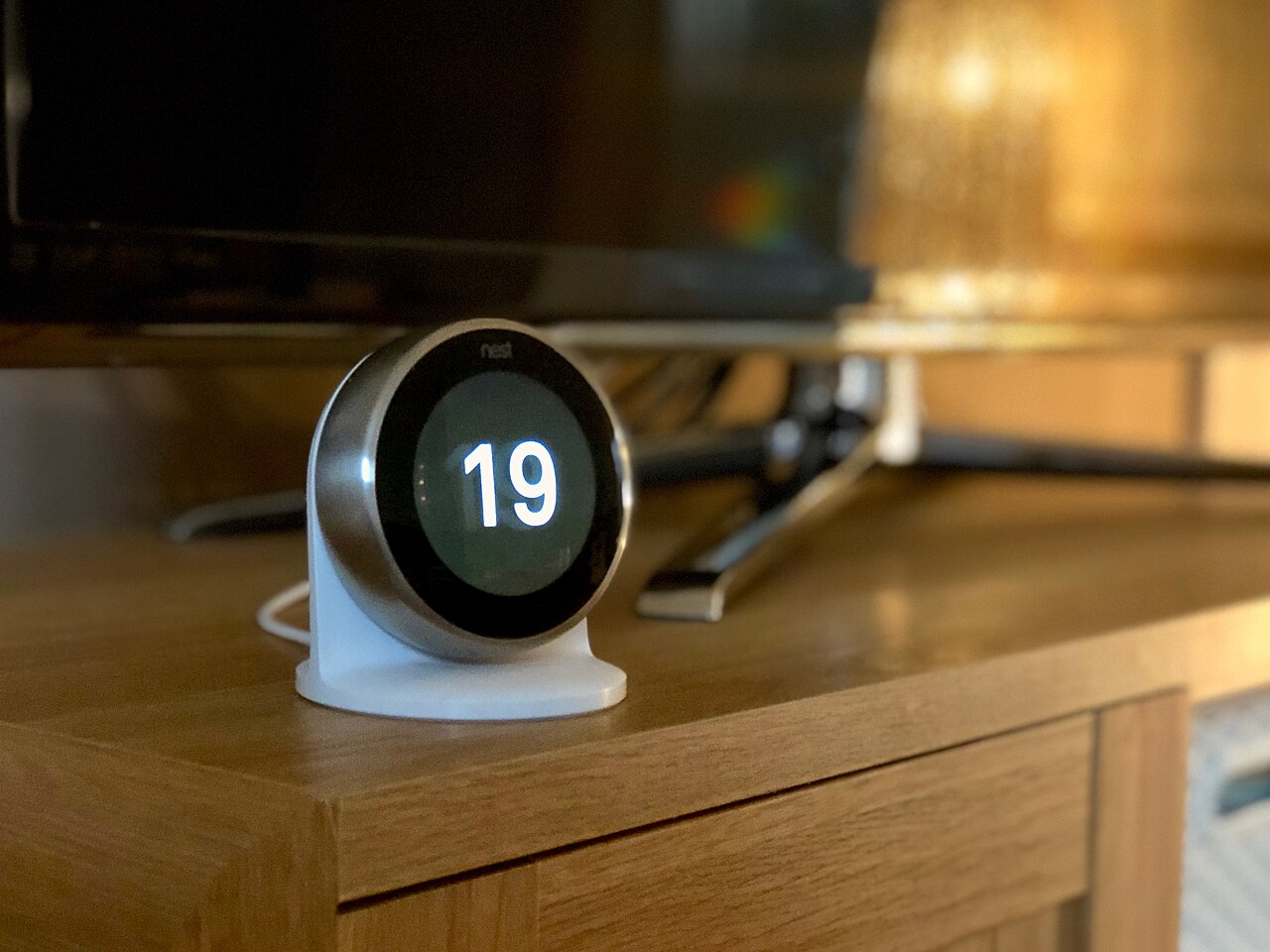
The Nest thermostat is one of the most widely used options for smart thermostat installation. It offers a simple interface, adaptive learning, and compatibility with many HVAC systems. By adjusting automatically based on usage patterns, it helps maintain consistent indoor conditions while improving efficiency.
One of the main advantages is remote access. Homeowners can adjust temperature settings from anywhere, making it easier to manage energy use when schedules change. Built-in energy-saving features also help reduce unnecessary heating and cooling.
When comparing options, focus on features that match how your home operates. Some systems offer geofencing, while others provide detailed energy usage insights. Features like automated scheduling and energy tracking play a major role in how these systems perform, especially when evaluating smart thermostat benefits across different setups.
Compatibility with Your HVAC System
Before installing a Nest thermostat, it’s important to confirm compatibility with your HVAC system. Most modern systems support smart thermostat installation, including central air, heat pumps, and many older setups. Verifying compatibility in advance helps avoid installation issues.
Installation requirements can vary depending on wiring and system type. Some setups require a common wire (C-wire), while others can operate without one. Understanding your system configuration ensures a smoother installation process and more reliable performance.
HVAC smart controls also depend on proper system function. Airflow, duct condition, and system balance all play a role in overall performance. Issues like buildup and restricted airflow can limit efficiency, which is why services like duct cleaning are often part of maintaining consistent system performance.
Key Facts: Smart Thermostat InstallationSmart thermostat installation improves control, efficiency, and overall system performance when properly matched to your HVAC setup.
|
How a Nest Thermostat Improves Daily Comfort
A Nest thermostat improves day-to-day comfort by adjusting automatically based on your schedule and preferences. Instead of constant manual changes, the system maintains more consistent indoor temperatures throughout the day.
Automated scheduling helps reduce unnecessary heating and cooling when the home is empty, while restoring comfort before you return. This creates a more stable indoor environment without requiring constant input.
Remote access adds another layer of control. Adjustments can be made from anywhere, allowing you to respond to changes in plans without affecting overall system performance.
Over time, these small adjustments add up. A more responsive system reduces temperature swings, improves comfort, and supports better overall efficiency.
Key Features That Drive Performance
Modern smart thermostat installation goes beyond basic temperature control. Features built into a Nest thermostat and other HVAC smart controls directly impact how efficiently the system operates.
Instead of running at fixed settings, these systems adjust output based on real-time conditions and usage patterns. This allows for more precise control and less wasted energy.
- Automated scheduling that adjusts based on daily routines
- Remote access through mobile devices for real-time control
- Energy tracking to monitor usage patterns and system performance
- Geofencing that adjusts settings based on occupancy
- Adaptive learning that fine-tunes performance over time
These features work together to improve system responsiveness while maintaining consistent indoor conditions. The result is better performance without added complexity for the homeowner.
When Professional Installation Makes Sense
Smart thermostat installation can be straightforward in some homes, but system complexity often depends on wiring and HVAC configuration. Homes without a C-wire or with older equipment may require additional setup.
Improper installation can limit system performance or prevent key features from working correctly. Ensuring compatibility and proper setup is essential for long-term reliability.
Professional installation helps confirm that the Nest thermostat is fully integrated with your HVAC system. This includes checking wiring, verifying system compatibility, and configuring controls correctly.
With the right setup, HVAC smart controls can operate as intended, improving comfort, reducing energy use, and supporting consistent system performance over time.
Smart Thermostat FAQs
How do smart thermostats save energy?
Are smart thermostats compatible with all HVAC systems?
What features matter most when choosing a smart thermostat?
How difficult is it to install a smart thermostat?
Do smart thermostats work with voice assistants?
Getting More from Smart Thermostat Installation
A Nest thermostat and modern HVAC smart controls give homeowners more control over comfort and energy use. By adjusting automatically based on schedules and conditions, these systems reduce unnecessary runtime while maintaining consistent indoor temperatures.
Features like automated scheduling, remote access, and adaptive learning help improve system efficiency without constant manual input. Over time, this leads to more stable performance, lower energy use, and fewer temperature swings throughout the home.
Smart thermostat installation also supports better long-term system performance. When properly configured, these controls help reduce strain on HVAC equipment and improve overall reliability.
Take the Next Step Toward Better Control
Upgrading to a Nest thermostat is a practical way to improve comfort, efficiency, and system performance without a full HVAC replacement. Whether you’re working with an existing system or planning upgrades, the right setup depends on how your home operates day to day.
Professional installation helps ensure compatibility, proper wiring, and full use of available features. This allows HVAC smart controls to perform as intended and deliver consistent results over time.
If you’re considering smart thermostat installation or want to improve your current system, talk with Anderson Air about the right setup for your home.