
|
Key Takeaway:
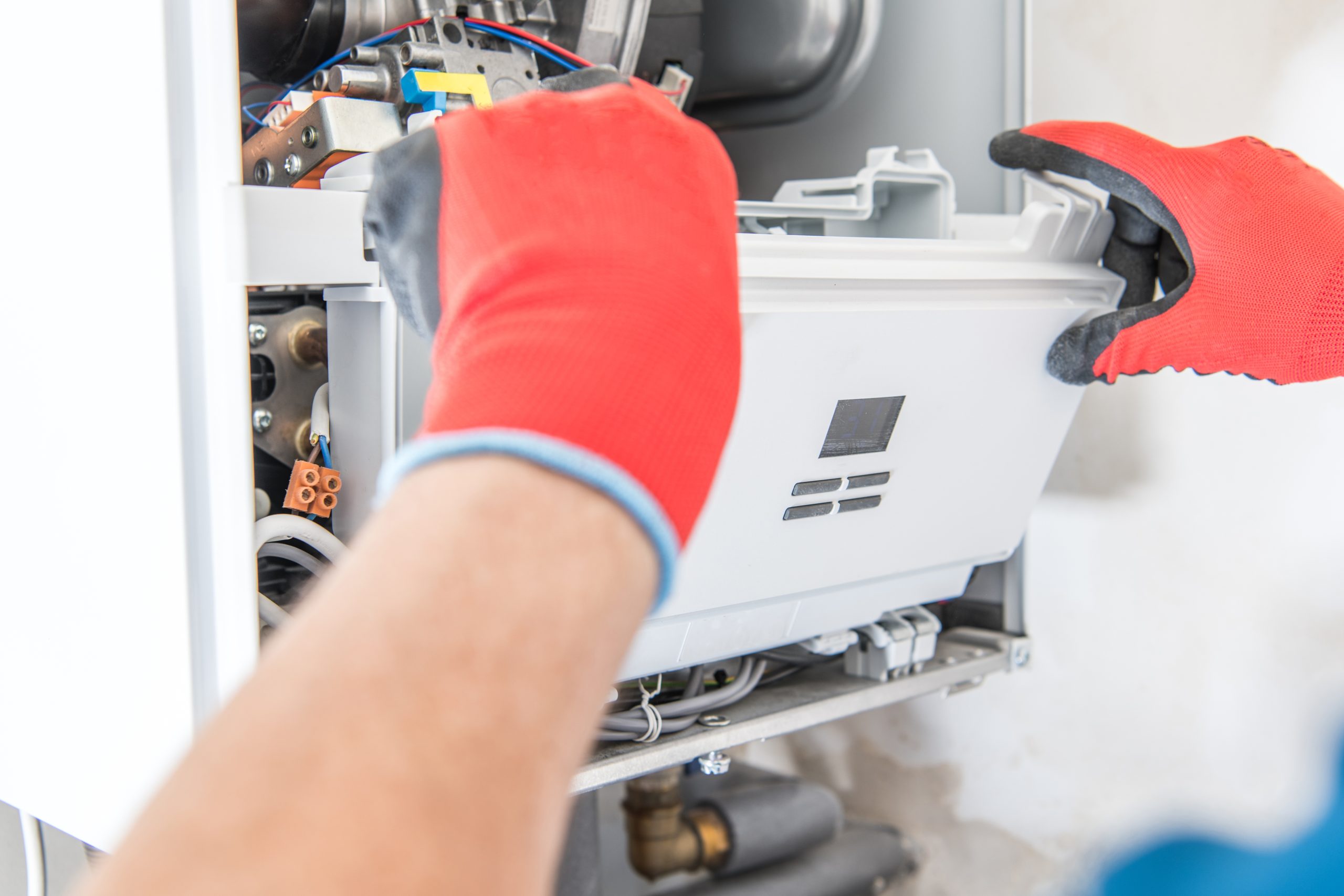
Recognizing emergency heating repair signs early—such as short cycling, unusual noises, or cold air coming from vents—can help reduce the risk of furnace failure during winter. These warning signals often point to underlying mechanical or airflow issues that may worsen if left unaddressed. Consistent inspections and basic maintenance, like filter changes, can support more reliable heating performance when temperatures drop. |
Don’t Ignore Early Emergency Heating Repair Signs
Knowing how to spot emergency heating repair signs can help homeowners respond before a system failure occurs. When heating issues develop during cold weather, comfort isn’t the only concern—extended furnace failure can increase the risk of frozen pipes, indoor temperature instability, and other winter heating emergencies.
Many serious problems start with subtle performance changes. Paying attention to how your system sounds, cycles, and delivers heat allows you to address concerns earlier rather than reacting after a breakdown.
Short Cycling Often Indicates Furnace Failure Risk
Short cycling occurs when a furnace turns on and off repeatedly without completing a full heating cycle. This pattern places extra strain on internal components and is often one of the earliest emergency heating repair signs homeowners notice during winter.
Common causes include restricted airflow from a dirty filter, a misreading thermostat, or overheating that forces the system to shut down prematurely. Left unresolved, short cycling can accelerate furnace failure and contribute to unexpected winter heating emergencies.
Routine system checks can help identify these issues before they worsen. Addressing airflow and control problems early can support steadier operation during consistent cold weather use.
Cold Air Coming from Vents Is a Warning Signal
When a heating system pushes cold or lukewarm air through vents, it often indicates a mechanical or control issue rather than a temporary fluctuation. This is another common emergency heating repair sign that should not be overlooked.
In some cases, the issue may involve a failing heat exchanger or internal component that limits proper heat transfer. These conditions reduce efficiency and may raise safety concerns if allowed to persist without inspection.
Thermostat communication problems can also cause inconsistent heating output. If the system is receiving incorrect signals, it may cycle improperly or fail to deliver warm air as expected. Accurate diagnosis is important to prevent further strain on the furnace during peak winter demand.
|
Important Facts About Emergency Heating Repair Signs
Knowing how emergency heating repair signs appear in real-world conditions can help homeowners respond before furnace failure occurs during cold weather. These facts highlight common system behaviors and maintenance considerations that contribute to winter heating emergencies.
|
Unusual Noises – From Whistling to Screeching
Unusual sounds coming from a heating system are common emergency heating repair signs and should not be dismissed. Noises such as whistling, screeching, or banging often indicate mechanical, airflow, or wear-related issues that can worsen with continued use. Whistling, for example, is frequently associated with airflow restrictions or pressure imbalances, which are commonly discussed in situations involving whistling noises caused by airflow problems.
Screeching sounds may point to worn belts, motor bearings, or other moving components under strain. Banging or rattling can signal loose or damaged internal parts that affect system stability. When these sounds are present, the system may be working harder than intended, contributing to inefficiency and placing additional stress on components linked to screeching noises and system strain.
Because these issues often involve internal mechanical components, self-repair can increase damage or safety risks. Prompt evaluation helps reduce the likelihood of furnace failure and supports consistent heating during winter heating emergencies.
Flame Sensor and Motor Blower Malfunctions
Problems with the flame sensor or motor blower are serious emergency heating repair signs because they directly affect system operation and safety controls. The flame sensor confirms burner ignition, and when it becomes dirty or faulty, the system may shut down as a precaution. Routine care associated with proper flame sensor maintenance plays an important role in preventing unexpected shutdowns.
The motor blower is responsible for distributing warm air throughout the home. When this component begins to fail, reduced airflow, uneven heating, or abnormal noises may occur. These symptoms are often linked to conditions seen in systems showing early signs of motor blower failure, particularly during extended winter use.
Regular inspection of both components can help minimize winter heating emergencies. Addressing flame sensor and blower concerns early supports safer operation, steadier airflow, and more reliable performance during periods of sustained cold weather.
Furnace Lifespan and Replacement Timing
Understanding furnace lifespan helps homeowners plan replacement and reduce the risk of emergency heating repair situations. Most furnaces last between 15 and 20 years, though usage patterns and maintenance history affect longevity. As systems age, they are more vulnerable to breakdowns during periods of high winter demand, making awareness of typical furnace lifespan and replacement timing an important planning factor.
Older furnaces are more likely to experience repeated repairs and heating disruptions. When a system approaches the end of its expected lifespan, replacement may be more reliable than ongoing repairs and can help limit the risk of furnace failure during winter heating emergencies.
Newer furnaces also offer improved efficiency and performance, allowing for more consistent heating and lower energy use. Planning ahead helps avoid last-minute emergency repairs and supports uninterrupted comfort during colder months.
Preventative Maintenance Is Key
Preventative maintenance plays an important role in reducing winter heating emergencies and catching emergency heating repair signs early. Regular inspections help identify developing issues before they escalate, and following a structured central heating maintenance checklist supports more consistent system performance.
Tasks such as filter changes, thermostat checks, and component inspections help limit strain on the system and reduce the likelihood of furnace failure. Consistent maintenance also supports efficient operation during extended winter usage.
Scheduled service plans can further support system reliability by providing routine inspections and priority scheduling. Understanding the value of HVAC maintenance agreements may help homeowners reduce unexpected disruptions and maintain dependable heating throughout the season.
Your Top Furnace Emergency Questions – Answered
What is the most common cause of furnace failure in winter?
How can I tell if my heat exchanger is cracked?
Should I replace my furnace and AC at the same time?
How often should I change my furnace filter?
Can a smart thermostat help prevent heating emergencies?
Stay Ahead of the Cold
Recognizing emergency heating repair signs early can help reduce the risk of furnace failure during winter. Warning signals such as short cycling, unusual noises, or cold air from vents often indicate developing issues that become more disruptive during sustained cold weather. Routine maintenance and regular inspections support consistent heating performance and help limit winter heating emergencies.
System age also plays a role in reliability. As furnaces get older, efficiency can decline and component wear becomes more likely. Addressing performance changes early and scheduling seasonal service helps ensure the system is prepared for extended winter use.
Act Before Heating Issues Become Emergencies
Waiting until temperatures drop can turn minor furnace problems into full system failures. Identifying emergency heating repair signs early allows homeowners to address concerns before comfort and safety are affected.
Seasonal inspections and basic upkeep help limit unexpected breakdowns and support steady airflow throughout colder months. Prioritizing maintenance now can reduce stress and inconvenience later in the season.
Schedule a professional heating inspection with Anderson Air to evaluate system condition and address potential issues before winter demand increases.
Further Reading |