 Skip to content

|
Key Takeaway:
Blown-in insulation benefits include improved HVAC efficiency, more consistent home comfort, and lower heating and cooling costs. In many homes, improving insulation levels can reduce energy use by roughly 10% to 20% while helping HVAC systems run more smoothly and consistently. |
Blown-in insulation benefits homeowners by improving HVAC efficiency and creating more stable indoor temperatures throughout the year. By filling gaps and uneven spaces in attics and walls, blown-in insulation helps reduce heat transfer and limit unwanted air movement.
When conditioned air escapes through poorly insulated areas, HVAC systems have to work harder to maintain temperature settings. Better insulation helps reduce this workload, allowing heating and cooling systems to operate more efficiently while improving overall home comfort.
Many homeowners notice fewer drafts, more balanced room temperatures, and lower utility costs after improving insulation levels. Depending on the age of the home and existing insulation condition, heating and cooling costs may decrease by an estimated 10% to 20% over time.
Insulation improvements also work best alongside proper airflow and system maintenance. Services like HVAC duct cleaning can help support airflow and system efficiency as part of a broader home comfort strategy.
Enhanced HVAC Efficiency
One of the most important blown-in insulation benefits is improved HVAC efficiency. By reducing air leaks and slowing heat transfer, insulation helps heating and cooling systems maintain indoor temperatures with less effort.
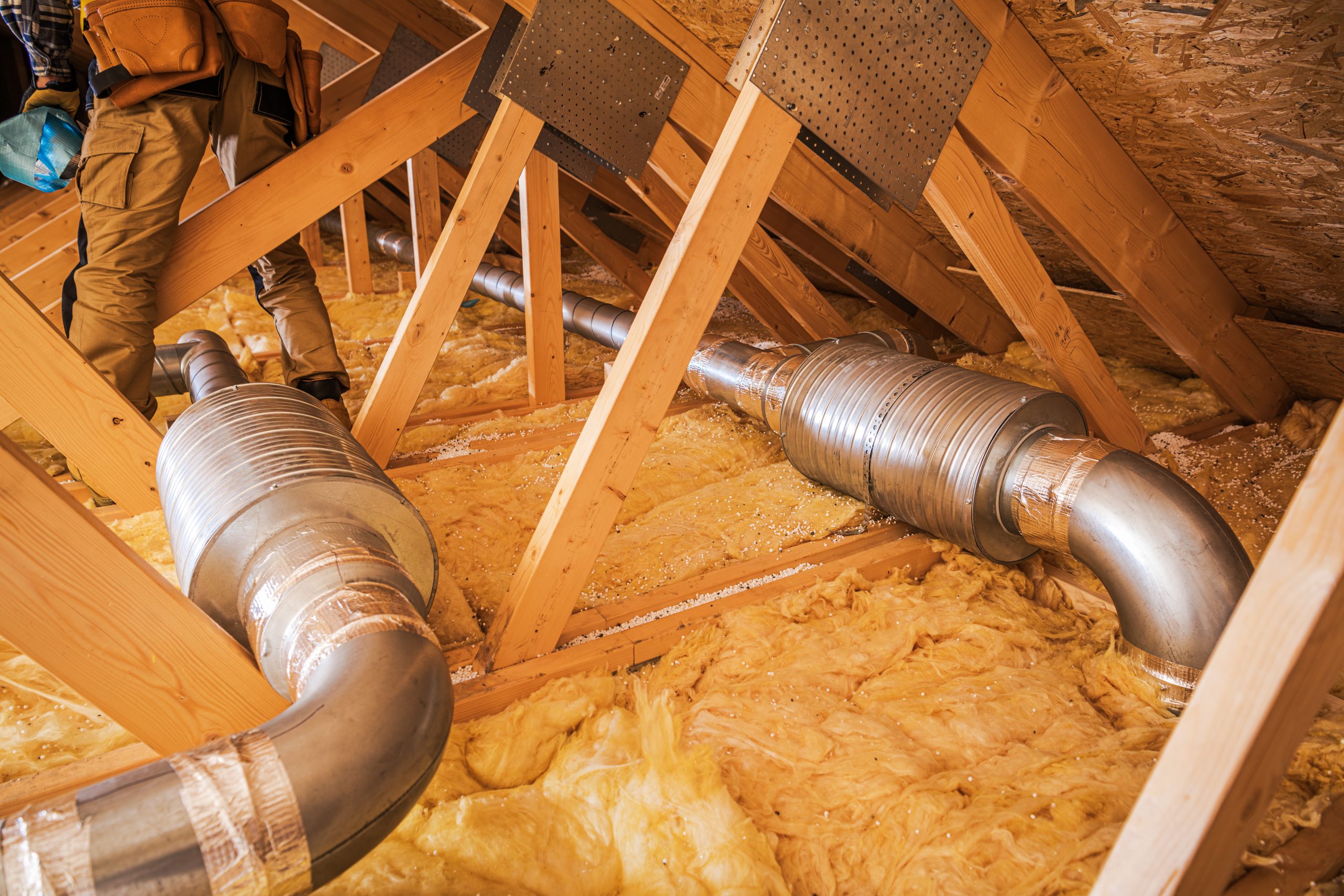
Blown-in insulation performs especially well in attics and irregular spaces where traditional insulation may leave gaps. Better coverage helps reduce energy loss during both summer and winter, limiting unnecessary HVAC runtime.
In many homes, improved insulation can lower heating and cooling energy use by approximately 10% to 20%, depending on insulation levels, home age, and overall system condition. Reduced runtime also helps limit wear on HVAC components by preventing excessive cycling.
Insulation upgrades may also help reduce problems associated with overworked cooling systems. Issues like an AC compressor freezing up can become more likely when systems run longer than necessary during periods of high demand.
Optimized Home Comfort
Blown-in insulation benefits extend beyond energy savings by improving overall home comfort. Better insulation helps maintain more even temperatures between rooms while reducing drafts and hot or cold spots.
During summer, insulation slows heat from entering the home. In winter, it helps retain heated air for longer periods. This creates a more stable indoor environment throughout changing weather conditions.
Proper insulation also supports humidity control by helping HVAC systems maintain more consistent operation. Stable airflow and balanced temperatures work together with factors like AC refrigerant levels to improve cooling performance and indoor comfort.
For many homeowners, the difference is noticeable in everyday spaces like upstairs bedrooms, bonus rooms, and areas near exterior walls. More consistent temperatures and reduced HVAC strain help create a quieter and more comfortable living environment year-round.
Important Facts About Blown-In Insulation Benefits
|
Sustainability and Environmental Impact
Blown-in insulation benefits extend beyond lower utility bills. By reducing heat loss and limiting unwanted air movement, insulation helps HVAC systems run more efficiently while lowering overall energy demand throughout the year.
Many blown-in insulation materials also include recycled content, making them a practical option for homeowners focused on long-term efficiency and reduced waste. Better insulation coverage helps reduce heating and cooling runtime, which can lower overall household energy consumption over time.
Improved HVAC efficiency also reduces strain on heating and cooling equipment. Systems that cycle less frequently often experience less wear, which may help extend equipment lifespan and reduce future replacement needs.
Combined with broader energy-saving improvements, blown-in insulation supports a more efficient home without sacrificing day-to-day comfort.
Cost-Effectiveness and Long-Term Savings
Blown-in insulation benefits often become noticeable through lower heating and cooling costs. By helping maintain stable indoor temperatures, insulation allows HVAC systems to operate with less effort during both summer and winter.
Depending on insulation levels, home age, and existing air leakage, many homeowners see heating and cooling costs decrease by roughly 10% to 20% after improving insulation coverage. Older homes with uneven attic insulation may see even greater improvement.
Better insulation also supports more consistent home comfort by reducing drafts, hot spots, and rapid temperature swings between rooms. Pairing insulation upgrades with air sealing around attics, vents, and penetrations can improve overall performance even further.
Over time, lower HVAC runtime may also help reduce wear on motors, blowers, and compressors. This combination of energy savings and reduced system strain makes insulation upgrades a practical long-term investment for many homeowners.
Maintenance and Durability
Blown-in insulation benefits last longer when insulation levels remain consistent and protected from moisture or airflow problems. Periodic attic inspections can help identify settling, gaps, or damaged areas that may reduce performance over time.
Moisture control is especially important. Roof leaks, blocked ventilation, or damp insulation can reduce effectiveness and create larger comfort and efficiency problems if left unaddressed.
Proper insulation coverage also helps HVAC systems maintain more stable operation by reducing excessive cycling during extreme temperatures. Less system strain can support longer equipment life and more reliable performance.
When combined with regular HVAC maintenance and airflow management, insulation improvements help support long-term HVAC efficiency and year-round home comfort.
FAQs About Blown-In Insulation Benefits
How does blown-in insulation improve HVAC efficiency?
How much can insulation affect heating and cooling costs?
Can blown-in insulation be added to an existing home?
What are signs that insulation may need attention?
How often should insulation be inspected?
Bringing Comfort and Efficiency Home
Blown-in insulation benefits homeowners by improving HVAC efficiency, reducing drafts, and supporting more consistent home comfort. By filling gaps and uneven spaces, it helps limit energy loss so heating and cooling systems do not have to work as hard.
That reduced workload can lead to lower energy costs over time. In many homes, better insulation may reduce heating and cooling costs by roughly 10% to 20%, depending on existing insulation levels, home age, and overall system condition.
Blown-in insulation can also support longer HVAC system life by reducing excessive cycling and strain. When insulation, airflow, and equipment performance work together, the home feels more balanced and the system can operate more efficiently.
Improve Comfort with the Right Home Efficiency Plan
Better insulation is one part of a stronger home comfort strategy. Duct condition, airflow, equipment age, and maintenance all affect how well your system performs day to day.
If you’re looking for ways to improve HVAC efficiency and reduce comfort issues in your home, get in touch with Anderson Air. Our team can help you understand what your home needs and recommend the right next step.