 Skip to content

|
Key Takeaway:
Many newer homes benefit from balanced ventilation because tighter construction can reduce the amount of outdoor air entering naturally. An ERV can bring in filtered fresh air while exhausting stale air and recovering heat and moisture, helping improve ventilation without wasting as much heating or cooling energy. |
Do I need an ERV? It is a common question for homeowners with newer houses. Many modern homes are built to reduce air leakage, which can improve energy efficiency but also limit the amount of fresh outdoor air entering naturally.
An energy recovery ventilator brings fresh air inside while exhausting stale indoor air. As the two air streams pass through the ERV core, heat and moisture transfer between them without the air mixing directly. This makes an ERV a practical fresh air ventilation system for homes that need more controlled airflow.
The right solution depends on the home, climate, indoor humidity, and existing HVAC equipment. ERVs are one option among several ventilation systems for new homes, and proper sizing and installation are essential for effective performance.
Do I Need an ERV in a New Home?
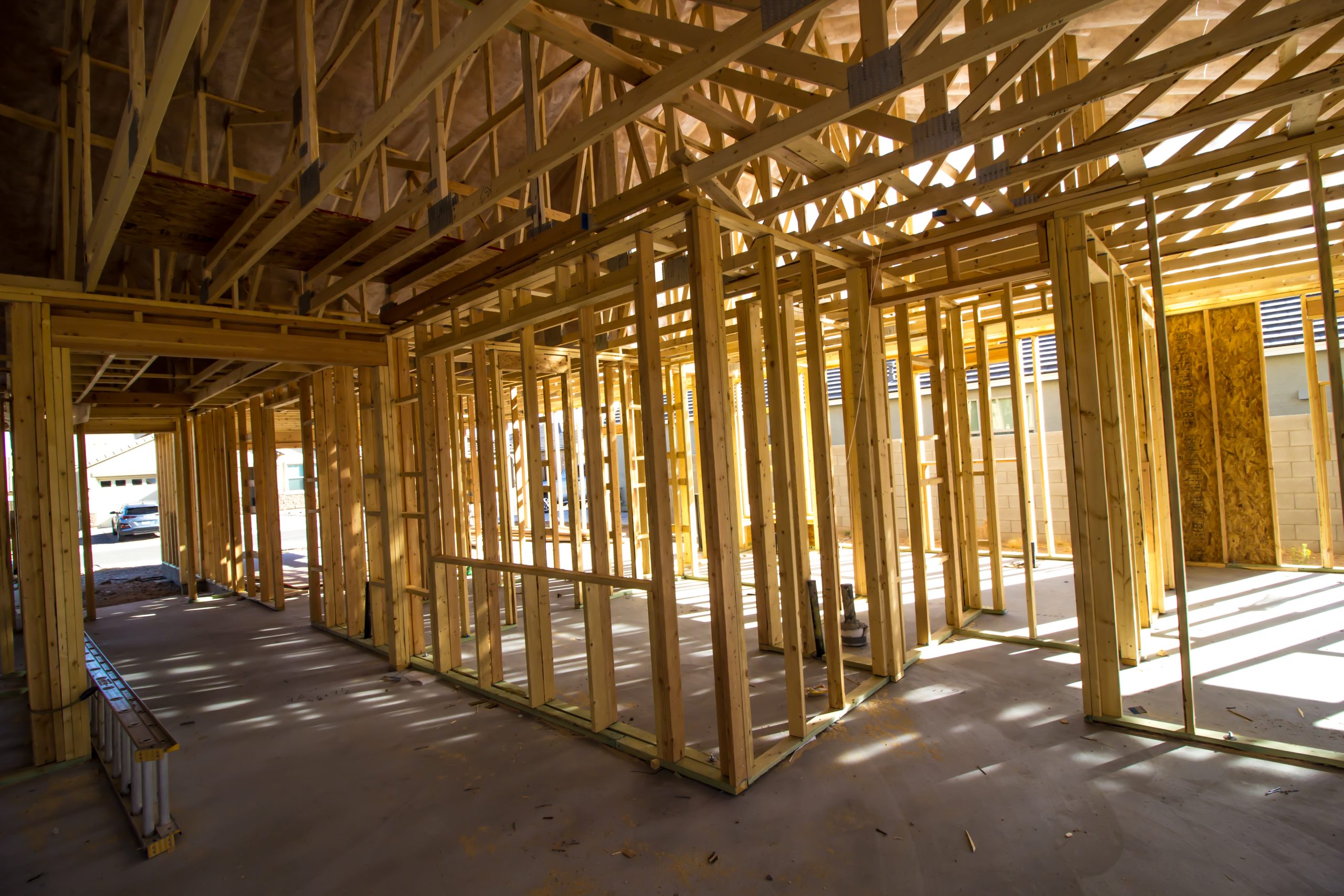
New homes are often built with tighter envelopes that reduce uncontrolled air leakage. While this improves energy efficiency, it also means stale air, odors, humidity, and indoor pollutants may remain inside longer without mechanical ventilation.
An ERV provides controlled ventilation by bringing outdoor air in and exhausting indoor air at the same time. Filters help reduce dust, pollen, and outdoor debris entering with the fresh air, while the recovery core limits some of the heating, cooling, and moisture loss associated with ventilation.
An ERV may be worth considering if the home feels stuffy, develops persistent condensation, or has limited natural ventilation. It can also be useful when windows remain closed for much of the year because of weather, noise, or outdoor air conditions.
Ventilation Systems for New Homes
A ventilation system for new homes can use exhaust-only, supply-only, or balanced airflow. Exhaust systems remove indoor air, while supply systems bring outdoor air inside. Balanced systems such as ERVs and HRVs provide controlled intake and exhaust at the same time.
ERVs and HRVs both recover heat, but they manage moisture differently. An HRV transfers heat between incoming and outgoing air, while an ERV transfers both heat and some moisture. These differences between ERV vs HRV systems can affect which option is better suited to a particular climate and home.
ERVs are often a strong fit for humid or mixed climates where moisture control is an important part of indoor comfort. HRVs are frequently used in colder climates where removing excess indoor moisture may be a greater concern.
The best home ventilation system depends on climate, household size, indoor humidity, building tightness, and existing ductwork. A properly designed fresh air ventilation system should provide enough outdoor air without creating unnecessary heating, cooling, or moisture loads.
Important Facts About ERVs and Indoor Air Quality
|
Importance of Fresh Air Ventilation Systems
Many homeowners ask, do I need an ERV, when they start looking at fresh air ventilation options. In homes with limited natural air exchange, stale air, odors, and excess humidity can build up, making controlled ventilation more important.
A fresh air ventilation system brings outdoor air in while exhausting stale indoor air. This steady exchange can help reduce odors, moisture, and indoor pollutants without relying on open windows, which may not be practical during extreme weather, wildfire smoke, or high-pollen days.
For many newer homes, a ventilation system can provide more consistent airflow while helping maintain comfort and energy efficiency. An ERV adds heat and moisture recovery, which can reduce the heating and cooling energy lost through ventilation.
Enhancing Indoor Air Quality in Modern Homes
Many modern homes are built to reduce uncontrolled air leakage, which can improve efficiency but may also reduce natural air exchange. In those situations, mechanical ventilation can help support indoor air quality by providing a steady supply of fresh outdoor air.
An ERV exhausts stale indoor air while bringing fresh air inside. As the two air streams pass through the recovery core, heat and moisture transfer between them, helping temper incoming air and reduce humidity swings.
ERVs can be especially useful in homes where windows stay closed for much of the year or where humidity changes significantly between seasons. In some climates, an ERV may be a better fit than an HRV because it transfers moisture as well as heat. Understanding the differences between ERV vs HRV systems can help determine which option suits the home best.
If you are still asking, do I need an ERV, consider your home’s ventilation, humidity, climate, and daily use. A properly sized system can provide fresh air more consistently while limiting unnecessary energy loss.
Do I Need an ERV? FAQs
Why can ERVs be useful in new homes?
How do ERVs improve indoor air quality?
Can an ERV help reduce ventilation-related energy loss?
How do I know if I need an ERV?
Do You Need an ERV for Your Home?
An ERV can be a good fit for homes that need more consistent fresh air, better humidity control, or less reliance on open windows for ventilation. It brings outdoor air in while exhausting stale indoor air and recovering heat and moisture between the two air streams.
The right solution depends on your home, climate, indoor humidity, and existing HVAC system. If you are still asking, do I need an ERV, contact Anderson Air to discuss your home’s ventilation needs. Our team can evaluate your current setup and recommend the right approach for improving airflow and indoor air quality.