
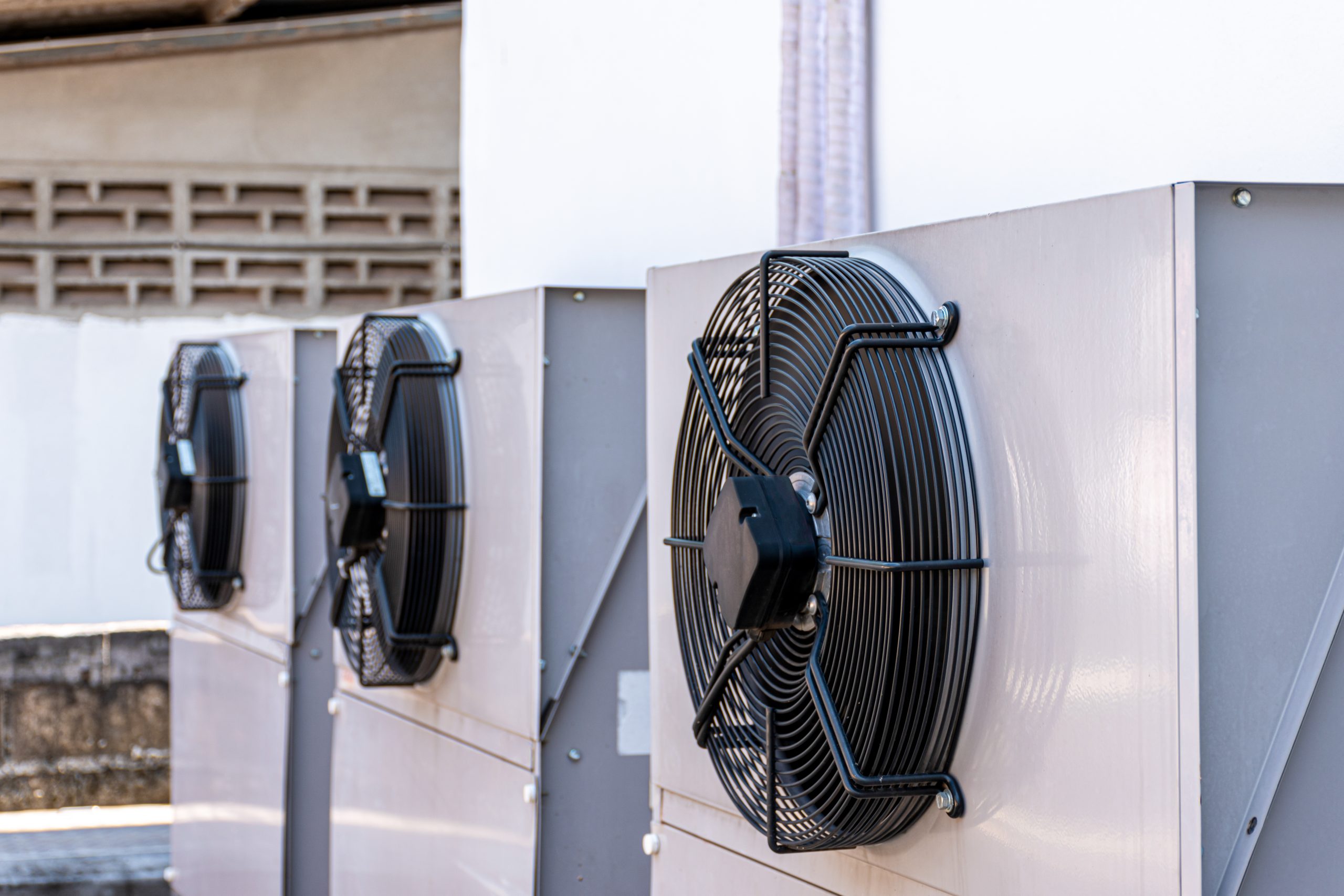
|
Key Takeaway:
An ERV system commercial setup improves ventilation by exchanging stale indoor air with fresh outdoor air while reducing heating and cooling energy loss. In many commercial buildings, properly designed energy recovery ventilator commercial systems help improve indoor air quality, stabilize humidity, and lower ventilation-related energy demand. |
Energy efficiency and indoor air quality play a major role in modern commercial HVAC planning. An ERV system commercial setup helps buildings bring in fresh outdoor air while reducing the energy loss normally associated with ventilation. This allows businesses to improve indoor air quality without placing unnecessary strain on heating and cooling equipment.
Commercial buildings face growing pressure to reduce energy costs while maintaining comfortable indoor environments. Offices, schools, clinics, gyms, and restaurants often require continuous ventilation, which can significantly increase heating and cooling demand if outdoor air is not properly managed.
An energy recovery ventilator commercial system works by transferring heat and moisture between incoming and outgoing air streams. During colder months, the system helps retain indoor heat. During warmer months, it reduces the amount of heat and humidity entering the building. This process supports better HVAC efficiency while helping maintain more stable indoor conditions.
ERV systems are often part of broader commercial ventilation solutions focused on airflow, humidity control, energy management, and long-term HVAC performance.
The Working Principle of ERV Systems
An ERV HVAC system continuously removes stale indoor air while bringing fresh outdoor air into the building. Inside the unit, an energy recovery core transfers heat and moisture between the two air streams without mixing the air itself.
In winter, outgoing warm air helps preheat incoming cold air before it reaches the HVAC system. During summer, the process reverses by removing heat and humidity from incoming outdoor air before it enters conditioned spaces.
This energy transfer reduces the workload placed on heating and cooling equipment, helping the HVAC system maintain indoor temperatures more efficiently. In many commercial buildings, this can reduce ventilation-related energy demand while improving comfort throughout the space.
ERV systems are especially effective in buildings with high occupancy or strict ventilation requirements, including offices, medical facilities, schools, fitness centers, and restaurants. Businesses comparing humidity control and ventilation performance often evaluate the differences between ERV vs HRV systems when planning commercial HVAC upgrades.
Benefits of ERV Systems in Commercial Spaces
One of the biggest advantages of an ERV system commercial installation is improved indoor air quality. Continuous ventilation helps reduce indoor pollutants, odors, humidity buildup, and stale air while maintaining a more comfortable environment for occupants.
Energy recovery ventilator commercial systems also improve HVAC efficiency by reducing the amount of energy required to condition outdoor air. By preconditioning incoming air, the system allows heating and cooling equipment to operate with less strain during periods of high demand.
In many commercial buildings, ventilation-related heating and cooling costs may decrease by approximately 10% to 20% after properly integrating energy recovery ventilation into the HVAC strategy. Actual savings vary based on climate, building usage, occupancy, and system design.
These performance gains are often strongest when businesses invest in properly sized ERV HVAC systems that match the building’s ventilation requirements and occupancy demands.
ERV systems can also support longer equipment life by reducing excessive runtime and limiting large temperature and humidity swings throughout the building.
Important Facts About ERV Systems in Commercial HVAC
|
ERV System Commercial Installation and Maintenance
An ERV system commercial project starts with good planning. The design team should confirm outdoor airflow needs, local code requirements, and the best path for ducts and drains before installation begins. Proper sizing for an ERV HVAC system matters because oversizing can waste energy while undersizing can leave spaces under-ventilated.
Climate also affects ERV performance. In humid regions, enthalpy cores help manage moisture, while colder climates may require frost control and defrost functions to maintain airflow during winter conditions. Connecting the ERV to building automation controls also helps balance airflow and improve efficiency throughout the year.
Routine maintenance keeps the system operating efficiently. Replacing filters, cleaning the recovery core, inspecting belts and drains, and checking sensors all help maintain airflow performance and indoor air quality over time.
Consistent maintenance also helps reduce downtime and supports long-term HVAC efficiency by limiting unnecessary system strain.
Integration with Existing HVAC Systems
An energy recovery ventilator commercial retrofit can integrate with many existing HVAC systems when properly planned. ERVs are commonly paired with rooftop units, air handlers, and VRF systems to improve ventilation while limiting additional heating and cooling demand.
Successful integration often depends on a few key factors:
- Balancing supply and exhaust airflow to maintain stable building pressure
- Coordinating ERV controls with economizers and occupancy schedules
- Using efficient duct layouts to reduce static pressure and fan energy use
- Placing sensors correctly to improve airflow and humidity control
- Matching ERV capacity to the building’s ventilation requirements
Many businesses include ERVs as part of broader commercial ventilation solutions focused on long-term HVAC efficiency, indoor air quality, and occupant comfort.
How ERV HVAC Systems Improve Workplace Comfort
An ERV HVAC system does more than reduce energy use. Continuous ventilation helps reduce stale air, odors, humidity buildup, and uneven temperatures throughout commercial spaces.
Balanced airflow can improve comfort across offices, conference rooms, gyms, clinics, restaurants, and retail areas. Stable humidity and ventilation also help create a more consistent indoor environment for employees, customers, and visitors.
Energy recovery ventilation reduces HVAC workload by preconditioning incoming outdoor air before it reaches heating and cooling equipment. This helps improve HVAC efficiency while supporting steadier indoor temperatures year-round.
When evaluating ventilation and humidity control needs, many businesses compare the differences between ERV vs HRV systems to determine the right fit for the building and local climate.
ERV System Commercial FAQs
How does an ERV system improve indoor air quality?
How much energy can an ERV system save?
What commercial buildings benefit most from ERV systems?
How often should an ERV HVAC system be serviced?
ERV Systems and Commercial Energy Savings
An ERV system commercial setup can help businesses reduce ventilation-related energy waste while improving indoor air quality. By recovering heat and moisture from outgoing air, an ERV helps precondition incoming outdoor air so the main HVAC system does not have to work as hard.
That lower workload can reduce operating costs and help limit wear on heating and cooling equipment. In many commercial buildings, properly designed energy recovery ventilator commercial systems may reduce ventilation-related heating and cooling costs by roughly 10% to 20%, depending on climate, occupancy, and system design.
ERV systems also support better indoor air quality by replacing stale indoor air with fresh outdoor air. For offices, schools, clinics, gyms, restaurants, and other high-occupancy buildings, that can mean a more comfortable and healthier indoor environment.
Successful installation depends on the right design, controls, and maintenance plan. ERVs work best when they are integrated into broader commercial ventilation solutions that account for airflow, humidity, filtration, and long-term system performance.
Plan the Right ERV HVAC System for Your Building
Choosing the right ERV HVAC system starts with how your building actually operates. Occupancy levels, ventilation requirements, humidity concerns, and existing HVAC equipment all affect the best approach.
If your commercial space needs better ventilation, improved efficiency, or more consistent indoor comfort, get in touch with Anderson Air. Our team can help evaluate your building and recommend the right next step.