 Skip to content

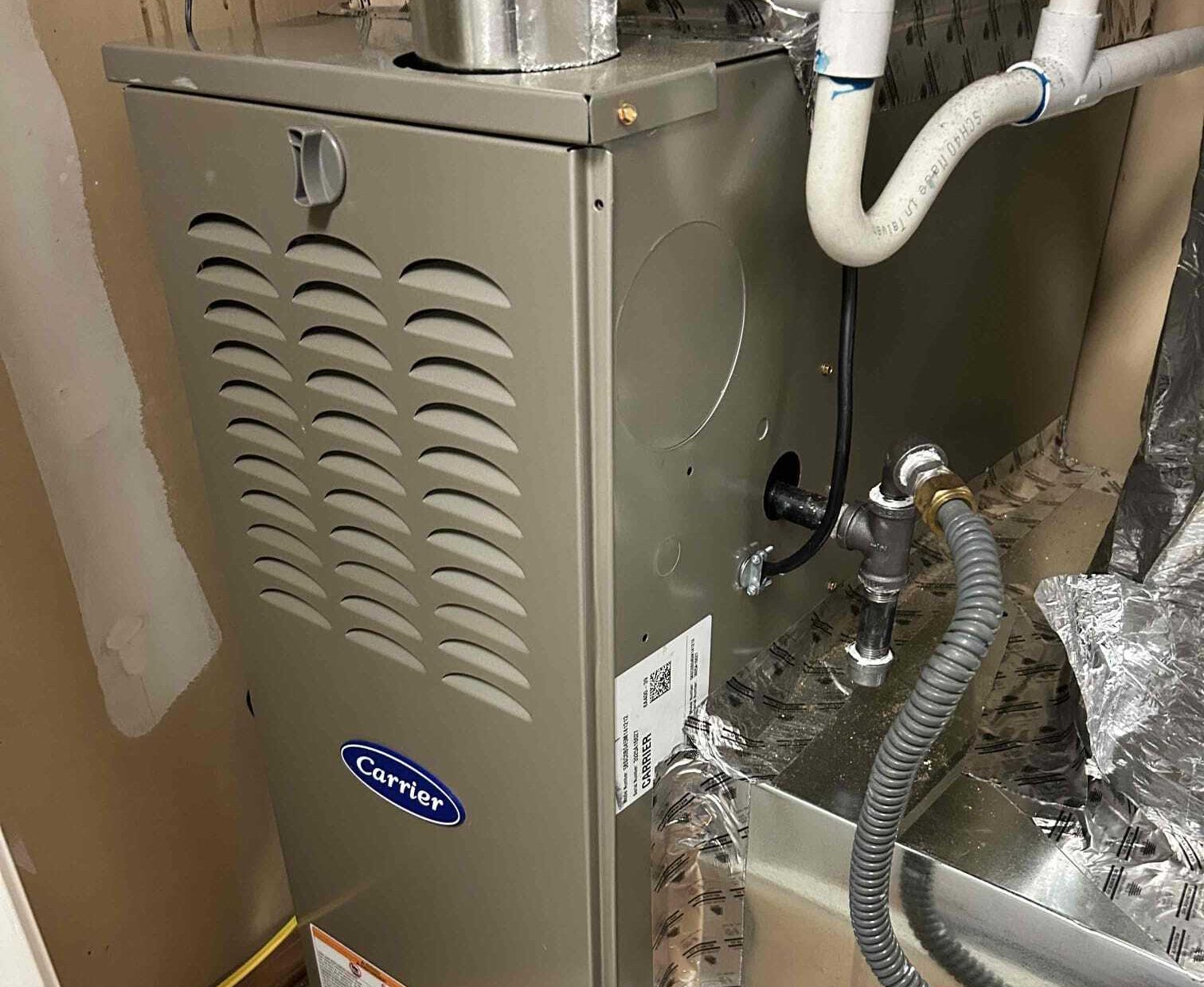
How Long Does a Furnace Last?If you’re wondering how long a furnace lasts, the average is 15–30 years with proper maintenance. Factors like brand, usage, installation, and ventilation affect life expectancy. Signs it’s time to replace include rising energy bills, frequent repairs, or yellow flames. |
When winter comes, the last thing you want is a furnace that stops working unexpectedly. Homeowners often ask, how long does a furnace last before it needs replacement? The answer depends on several factors, but most gas furnaces last between 15 and 30 years with regular maintenance. In this guide, we’ll cover average furnace lifespan, key factors that affect longevity, and the warning signs that it’s time for a replacement.
Having your furnace in perfect shape is the best thing you can do for your home during winter. But have you ever stopped to ask yourself this question: how long does a furnace last before it needs replacing? Or do you just worry about the annual HVAC maintenance and forget that even that heating system will one day require replacement?
While many homeowners are unaware of their furnace’s age or when they should plan for a replacement, this information is crucial. This way, you are always sure that your home is ready for winter.
So, how long does it take to replace a furnace?
Average Furnace Lifespan
Generally, there is no precise answer on how long your furnace will last or when to replace it. Different furnace models have varying lifespans, and several other factors affect life expectancy—even for similar models.
However, this doesn’t mean you stay in the dark, waiting for the day that it all breaks down. We’ll look at the average furnace lifespan, signs that show your furnace is aging and needs replacement, as well as what you can do to delay the inevitable.
Normally, most gas furnaces have an average lifespan of 15–30 years, provided you conduct yearly furnace maintenance to keep them in shape. There are rare exceptions where a furnace can last up to 40 years.
Factors Determining Furnace Life Expectancy
As mentioned earlier, various factors determine a furnace’s life expectancy. Here are the most common ones:
1. Furnace Make and Model
Newer furnace models tend to have longer life expectancy than older ones. Brand and build quality matter—investing in a reputable make can improve longevity.
2. Usage and Maintenance
How often do you use your furnace? In colder regions where the furnace runs frequently, lifespan may be shorter due to increased wear. Regular, professional maintenance helps identify and correct small issues before they become major problems.
3. Moisture and Ventilation
High moisture levels and poor ventilation work against longevity. Excess moisture can corrode components (the heat exchanger is particularly vulnerable). Poor ventilation restricts airflow and stresses the system. Keep the home and mechanical room properly ventilated.
4. Installation Quality
Improper installation can significantly reduce lifespan. Energy Star notes that many new installations are not done correctly, which can reduce efficiency and cause premature wear. Ensure your system is installed by qualified professionals.
When Should I Replace My Furnace?
There’s no single rule, but these signs often indicate replacement is approaching:
1. Age: 15–30 Years
The older the furnace, the more likely it is nearing the end of its useful service life. Even with proper maintenance, age will eventually catch up.
2. Increasing Energy Bills
Rising heating costs—especially after 15 years—often indicate declining efficiency. The furnace may be overworking to reach set temperatures.
3. More Frequent and Costly Repairs
While occasional repairs are normal, a pattern of frequent or major repairs is a red flag. At some point, replacement is more cost-effective than continued fixes.
Furnace Flame Turns Yellow
If the flame inside your gas furnace turns yellow instead of blue, address it immediately. A blue flame indicates proper combustion; yellow flames may indicate incomplete combustion and elevated carbon monoxide risk.
Yellow flames can also result from issues such as a gas leak—both situations require prompt professional attention. Contact a licensed HVAC technician to diagnose the problem. At Anderson Air, we offer comprehensive heating services. Call (479) 777-9680.